Furnace Will Not Ignite
Thermostat calls for heat and the inducer runs, but no ignition occurs. Usually traced to the hot-surface ignitor, flame sensor, gas valve, or pressure switch — tested in sequence to isolate the failed link.
Combustion-Tested, Sequence-Diagnosed, Safety-Verified
Gas forced-air furnaces make up most of the heating systems in Everett homes. When they misbehave the pattern usually points to a small set of components — ignition, flame sensing, burner condition, airflow, or the control sequence that ties them together.
Our technicians work through the diagnosis in order rather than swapping parts, verify combustion with a calibrated analyzer, and confirm safe operation before the visit ends.
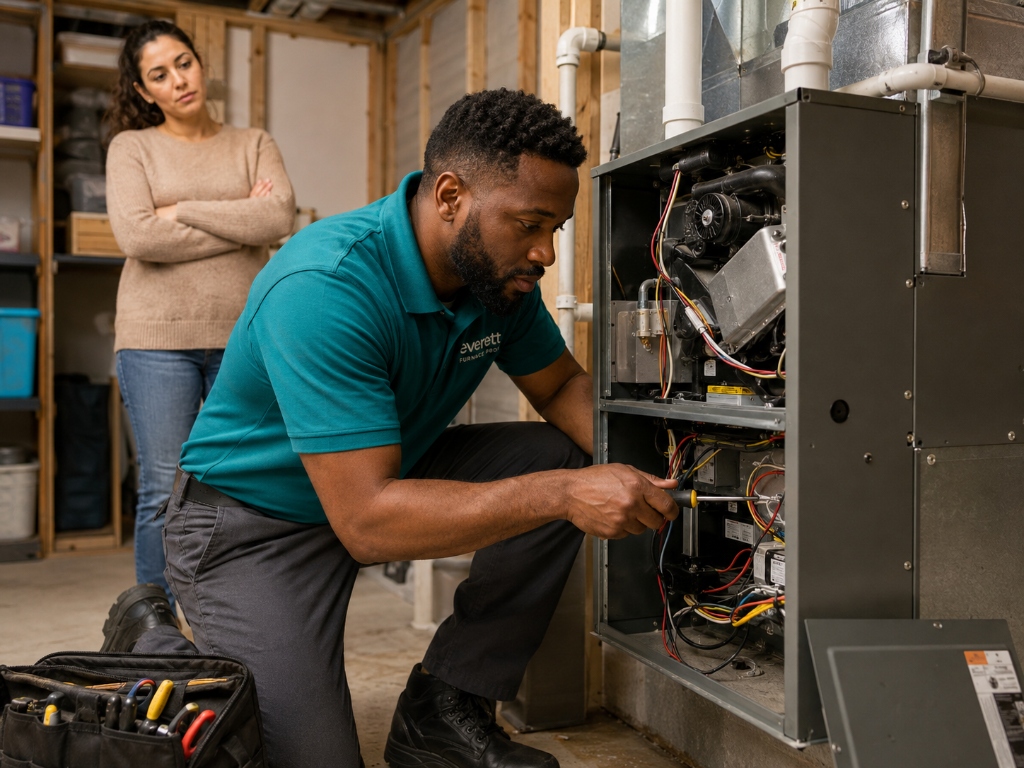
Combustion-Tested Repairs
A furnace can appear to run normally and still produce carbon monoxide. Combustion testing confirms safe operation — visual inspection alone does not.
Analyzer Verified
O₂, CO, stack temp
Flame Sensor
µA current measured
Gas furnace repair is the diagnosis and correction of a specific fault in a natural-gas or propane forced-air heating system. Depending on the symptom, that may involve ignition components, the flame-sensing circuit, the gas valve, burner condition, the pressure switch and inducer, safety limits, or the control board that sequences the whole operation.
A proper repair also includes verifying combustion — testing O₂, CO, and stack temperature — so the system is not just running, but running safely.
Before opening the cabinet: a walk-around of the cabinet and venting, a check for gas odor, and an initial CO reading in the room. If readings are elevated, additional steps before proceeding.
Thermostat call, transformer voltage, control-board response, inducer operation, pressure switch closure — the operating sequence is followed in order until the failure is isolated to a specific component.
Ignitor and igniter circuit checked, gas valve energization confirmed, burner ignition observed. Flame rectification current measured in microamps — the definitive test for a dirty or failing flame sensor.
Oxygen, carbon monoxide, stack temperature, and calculated efficiency verified with a calibrated analyzer. When numbers are outside spec, the investigation moves to burner condition, manifold pressure, or venting.
Manifold gas pressure verified at the gas valve with a manometer — both static and under load. Under- or over-fired burners cause soot, sooted heat exchanger, or short cycling on limit.
Component replaced, combustion re-analyzed, and the full operating cycle observed from thermostat call through blower shutdown. Readings recorded and provided in writing.
Carbon monoxide warning: A furnace can appear to run normally and still be producing carbon monoxide inside the cabinet. Combustion testing is what confirms safe operation; visual inspection alone does not.
Diagnosis in sequence, combustion verified, written scope before repair.
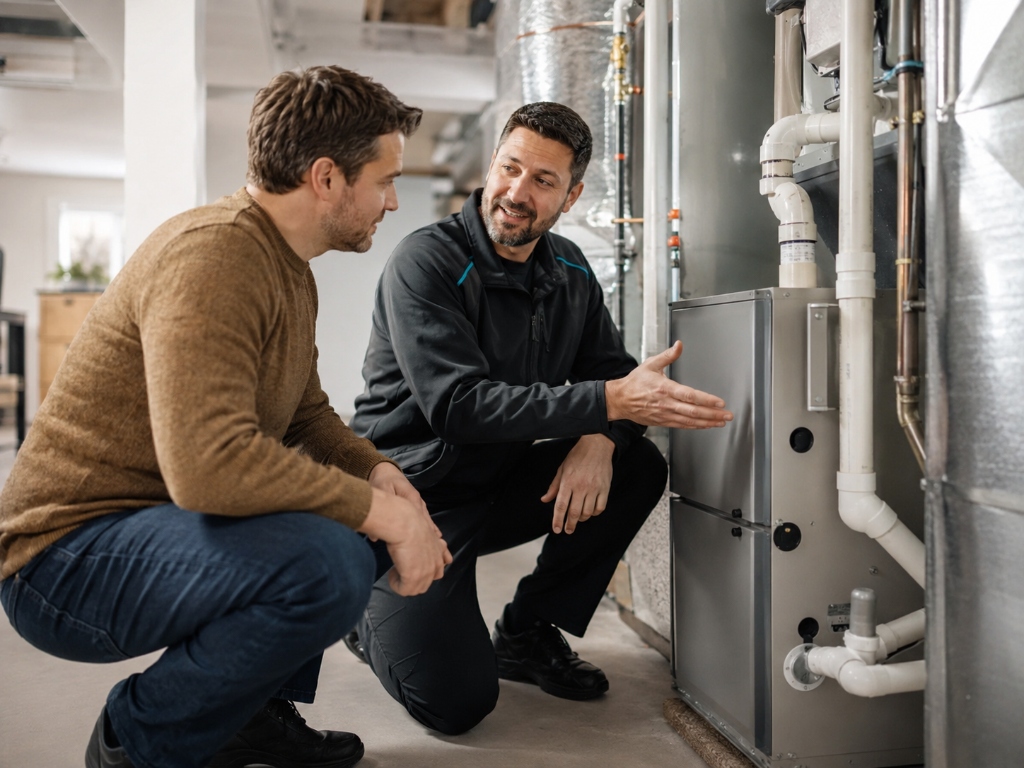
Sequence-Based Diagnosis
Watching the sequence in order isolates the failure to a specific component.
Thermostat call → inducer → pressure switch → ignition → flame sense → blower → limit safety.
Single Component
Under 1 hour typical
Motor / Inducer
1–2 hours typical
A gas furnace is a chain of components that has to fire in the right order. When any link fails, the whole sequence stops. Instrument-based testing finds the specific link.
Most common failures — ignitor, flame sensor, capacitor, pressure switch — take under an hour once diagnosed. Deeper diagnostic time is added for intermittent faults.
Guessing is expensive and, in some cases, unsafe.
Gas odor? Leave the home immediately, do not operate switches, and call Puget Sound Energy at 1-888-225-5773 or 911 from outside.
Common Gas Furnace Faults
Each symptom below points to a specific component in the operating sequence — diagnosed with instruments, not replaced by guesswork.
Thermostat calls for heat and the inducer runs, but no ignition occurs. Usually traced to the hot-surface ignitor, flame sensor, gas valve, or pressure switch — tested in sequence to isolate the failed link.
The flame lights and drops out within seconds. The classic signature of a dirty or misaligned flame sensor — the flame is present but the sensor cannot prove it, so the gas valve closes as a safety response.
A noticeable delay followed by a soft or loud thump on light-off. Gas accumulates in the combustion chamber before ignition. Burner ports, crossovers, or gas pressure need attention before the delay worsens.
A healthy gas flame is crisp blue. Yellow, floppy, or lifting flames indicate incomplete combustion — a gas-pressure problem, dirty burners, or a venting issue that warrants prompt combustion analysis.
The blower runs but no heat reaches the supply registers. Ignition never completes, or the flame drops before the blower cycles on. Often an ignition, flame-sense, or gas supply fault.
Repeated short cycles that clear briefly after the sensor is cleaned are the fingerprint of a failing flame sensor. The rectification current is measured in microamps — the definitive test.
Under- or over-fired burners cause soot buildup, a sooted heat exchanger, or short cycling on the high-limit switch. Manifold pressure is verified with a manometer at the gas valve.
Furnace lights, heats briefly, and shuts on a high-limit safety switch. The cause is usually restricted airflow, oversized firing rate, a dirty filter, or a safety circuit that is tripping for a real reason.
CO alarm sounding?
Leave the home and call 911. Do not restart the furnace after a suspected CO event until it has been inspected and combustion tested. A CO alarm is a life-safety event — not a furnace problem to troubleshoot yourself.
From long-service furnaces in Delta and Riverside to newer high-efficiency systems in Silver Lake and Cascade View, gas furnace repair in Everett benefits from a technician who has seen the same models many times.
Safety layer first, operating sequence in order, combustion verified with instruments, written scope before any parts are ordered. Every step is deliberate.
Schedule
Tell us what the furnace is doing — no ignition, short cycling, odd flame, gas smell — so the diagnosis can start with the most likely area and the right tools are on the truck.
Safety
Walk-around of the cabinet and venting, check for gas odor, initial CO reading in the room. If readings are elevated, additional safety steps before proceeding to component diagnosis.
Diagnose
The operating sequence is followed in order: thermostat → transformer → control board → inducer → pressure switch → ignitor → gas valve → flame sense → blower → limits. The failure is isolated to a specific component.
Verify
Component replaced, combustion re-analyzed on a warm furnace (O₂, CO, stack temperature), and the full operating cycle observed. Written summary of readings and work performed provided before the visit ends.
Gas Furnace Components We Inspect
Most single-component repairs — ignitor, flame sensor, capacitor, pressure switch — take under an hour once diagnosed. Blower motors and inducers run one to two hours.
Gas systems reward experience and calibrated instruments. Guessing is expensive and, in some cases, unsafe.
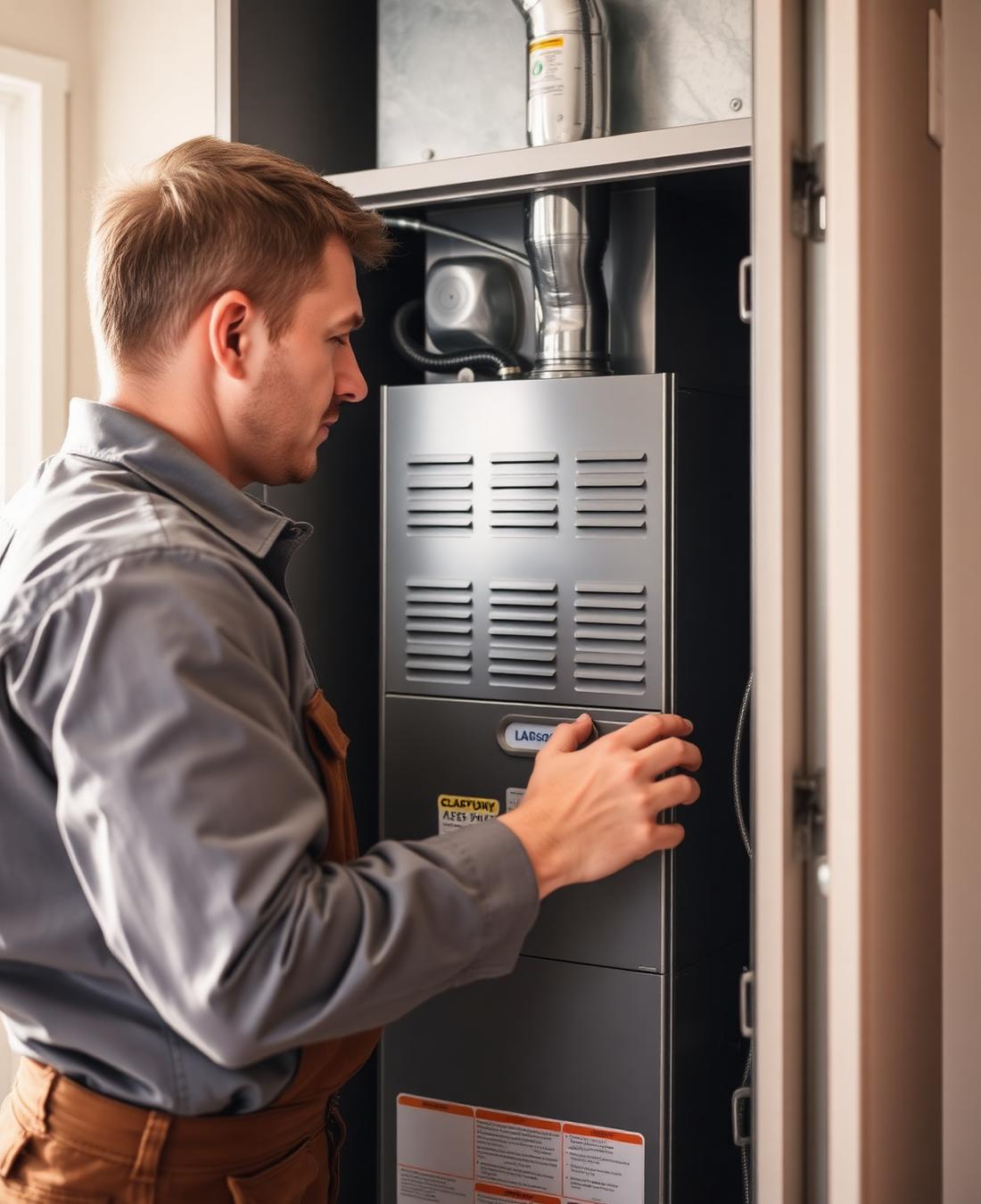
Our Repair Principle
Fix the actual failure, not just the symptom.
Sequence-based diagnosis finds the specific failed component. Combustion analysis confirms the system is running safely — not just running.
Licensed for gas work in Washington state. Gas systems reward experience and calibrated instruments — guessing is expensive and, in some cases, unsafe.
Every gas repair includes combustion analysis: O₂, CO, stack temperature, and calculated efficiency. The readings are shared with you in writing — not a verbal 'looks good.'
The operating sequence is followed in order until the failure is isolated. We don't replace parts hoping the problem goes away — we find the specific failed link in the chain.
A cracked heat exchanger changes the conversation from repair to replacement. We tell you clearly when repair is the right answer and when it is not — no pressure, no sales pitch.
Ignitors, flame sensors, capacitors, and common blower motors are carried on the truck. Board and OEM-specific parts often require a next-day pickup — we tell you upfront.
Propane and natural-gas systems share the same diagnostic sequence; the differences are in gas pressure, orifice size, and safety verification. Confirm your fuel type when you request service.
Request Gas Furnace Repair
Include the furnace brand, approximate age, fuel type, and what the furnace is doing. Mention any gas odors, CO alarms, unusual flames, or safety lockouts.
Gas furnace diagnostics and combustion-tested repairs are scheduled from our Everett hub to homes across Everett neighborhoods and nearby Snohomish County communities — same team, same process, verified coverage.
Click any location below to view local service details
Don't see your neighborhood? Call us to verify dispatch to your exact address.
View Full Area GuideInteractive Service Map
Everett, WA & Snohomish Metro
These answers cover gas furnace identification, common failures, combustion safety, flame-sensor troubleshooting, heat-exchanger decisions, and propane compatibility.
Diagnosis
Sequence-Based
Combustion
Analyzer-Verified
Guessing is expensive. Instruments are not.
Combustion-tested, sequence-diagnosed, safety-verified before the visit ends.
Having trouble with a gas furnace?
Describe the symptom — no ignition, short cycling, odd flame, gas odor.
Call (425) 380-0422Before Calling for Service
Open a question to learn more about gas furnace identification, common repairs, combustion safety and replacement decisions.
A gas furnace has a gas line entering the cabinet, a flue or PVC vent leaving it, and typically a small blue viewing port over the burners. An electric furnace has heavy electrical service, no gas connection, and no flue. If you are unsure, describe what you see and the technician will confirm on the phone.
A well-maintained gas furnace typically needs a small repair every four to seven years — flame sensor, ignitor, capacitor — with larger repairs concentrated as the equipment ages past 15 years. Regular maintenance shifts many of these failures from mid-winter surprises to planned service.
A yellow or wavering flame indicates incomplete combustion and warrants prompt inspection. It does not always mean the furnace is producing unsafe CO levels, but it is a signal that combustion needs to be checked and adjusted.
Heat-exchanger replacement is technically possible on some units under manufacturer warranty, but it is rarely economical outside warranty. In most cases we recommend replacement planning rather than attempting to install a heat exchanger in an older furnace.
The most common cause is a dirty or misaligned flame sensor — the flame lights, but the sensor cannot prove it, so the gas valve closes as a safety response. Other causes include limit trips from restricted airflow, weak flame from gas-pressure issues, and grounding faults.
For homeowners comfortable turning off power and gas, wiping the sensor rod with a fine abrasive pad is a common maintenance step. If you are not comfortable working inside the cabinet, a technician can do it during a maintenance visit.
Most single-component repairs — ignitor, flame sensor, capacitor, pressure switch — take under an hour once diagnosed. Blower motors and inducers run one to two hours. Deeper diagnostic time is added if the failure is intermittent.
Yes. Propane and natural-gas systems share the same diagnostic sequence; the differences are in gas pressure, orifice size, and safety verification. Confirm your fuel type when you request service.
Gas Furnace Acting Up?
Combustion-tested, sequence-diagnosed, written scope before repair.
If you smell gas indoors, leave the home, avoid switches, and call Puget Sound Energy at 1-888-225-5773 or 911 from outside. Do not restart the furnace until it has been inspected.
Gas Furnace Repair · Everett, Washington
Get a real diagnosis before any parts are swapped. Describe the symptom — no ignition, short cycling, odd flame, gas odor — and include the furnace brand, fuel type and approximate age.
Repair scope and pricing depend on the specific component, furnace brand, age and combustion condition. Maintenance, inspection, cleaning and replacement are separate services.