Skip to content
Furnace Repair · Lynnwood, Washington

Furnace Repair in Lynnwood, WA

Clear diagnosis for gas and electric furnace problems

A furnace that will not start, blows cool air, cycles repeatedly or produces unfamiliar sounds can make it difficult to keep a Lynnwood home comfortable. Furnace Everett Pros helps homeowners request furnace repair in Lynnwood, WA for gas and electric forced-air heating systems.

The service process begins with the furnace type, reported symptoms and property details. Relevant heating, airflow, electrical and safety components can then be evaluated before repair options are discussed.

Gas and electric furnace service
Diagnosis before recommendations
Findings and next steps explained
Lynnwood address verification
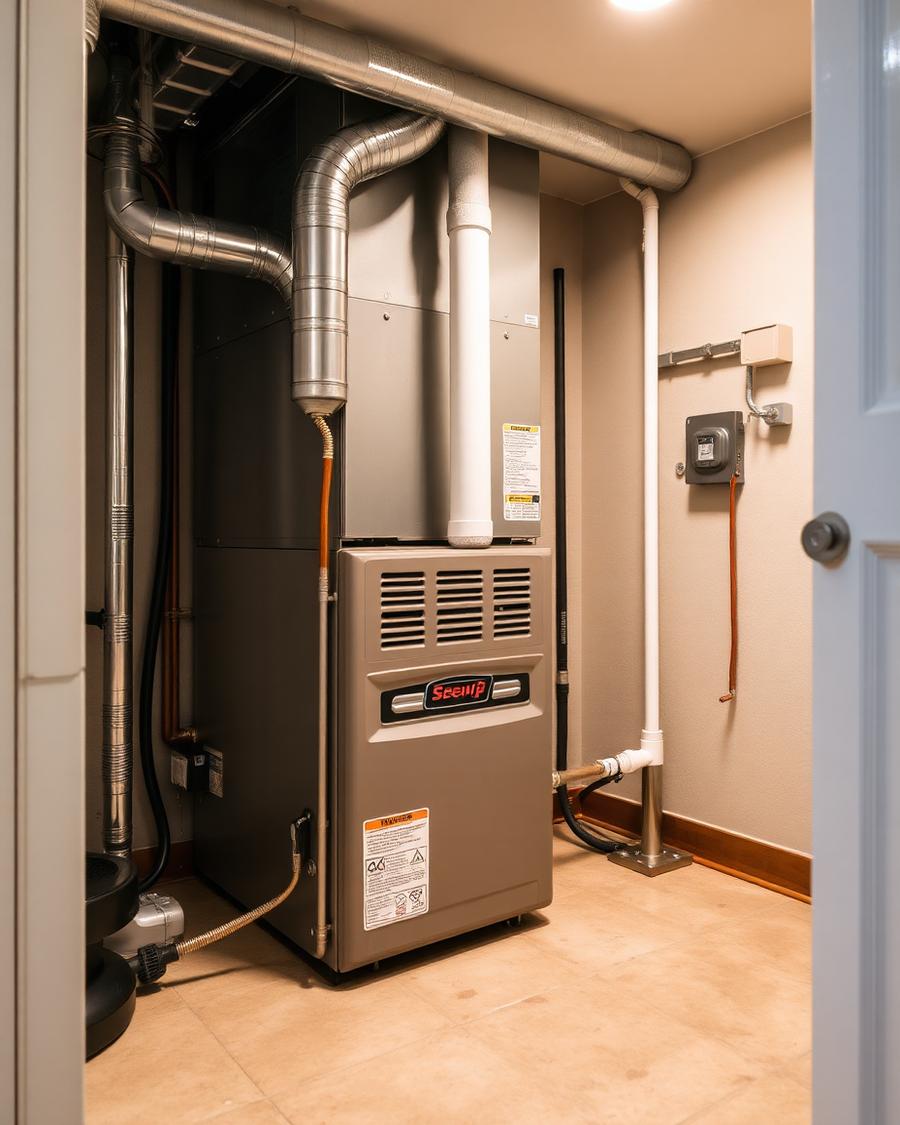
Residential furnace system prepared for diagnostic repair service in Lynnwood Washington

Furnace Service Approach

Start with the symptoms and system condition

Furnace Warning Signs

Common Furnace Problems in Lynnwood Homes

Furnace problems may appear as a complete loss of heat or as smaller changes in airflow, temperature, sound and operating cycles. Homeowners requesting furnace repair in Lynnwood, WA should describe exactly what the heating system is doing and when the change became noticeable.

Similar symptoms can result from thermostat settings, restricted airflow, ignition faults, electrical components, blower problems or furnace safety controls. A diagnostic evaluation is needed before the underlying cause and appropriate repair can be confirmed.

The symptom is the starting point. The diagnosis determines the next step.

Helpful Information to Provide

Whether the furnace uses gas or electricity
When the heating problem first appeared
Thermostat messages or breaker activity
Changes in airflow, sound, odor or cycling
Request Furnace Diagnosis

Problems That May Need Evaluation

These symptoms can help identify which part of the furnace operating sequence should be evaluated, but they do not confirm a failed component on their own.

01

Furnace Will Not Turn On

A furnace that does not respond may have an interruption in the thermostat signal, electrical supply, ignition sequence, heating stage or safety-control circuit.

Possible Areas to Evaluate

Thermostat, furnace switch, breaker, igniter, control board and safety switches.

02

Cool Air Coming From the Vents

The blower can sometimes continue moving air even when the gas ignition sequence or electric heating stage is not producing heat normally.

Possible Areas to Evaluate

Thermostat mode, ignition system, burners, heating elements, controls and safety limits.

03

Furnace Starts and Stops Repeatedly

Short or interrupted heating cycles may occur when airflow is restricted, a safety limit opens or the furnace cannot complete its normal heating sequence.

Possible Areas to Evaluate

Filter, airflow, thermostat, flame sensing, limit controls and furnace operating controls.

04

Weak Airflow or Uneven Heating

Reduced airflow or rooms that warm differently may involve the filter, blower system, return-air path, registers or accessible duct connections.

Possible Areas to Evaluate

Filter condition, blower motor, capacitor, return air, registers and accessible ductwork.

05

Banging, Rattling or Squealing Noises

A new furnace sound may come from cabinet vibration, blower components, motor bearings, ignition activity or another mechanical condition.

Possible Areas to Evaluate

Cabinet panels, blower assembly, motor, bearings, draft inducer and ignition sequence.

06

Persistent Burning Odors or Breaker Trips

Electrical, smoky, plastic-like or persistent burning odors may indicate overheating, wiring, motor or electrical-component problems. Repeated breaker trips also require diagnosis.

Avoid Repeated System Resets

Shut the furnace down when it is safe to do so and request an evaluation. Smoke, sparks or worsening odors require urgent attention.

Our Furnace Services

Furnace Services Available for Lynnwood Homes

A heating concern may require diagnostic repair, routine maintenance, inspection, accessible cleaning, or replacement planning. The right starting point depends on what the furnace is doing, its fuel type, visible condition, and the findings from an equipment evaluation.

Furnace Everett Pros accepts furnace service requests for Lynnwood properties and reviews the reported symptoms before the appropriate service scope is determined.

Primary Service

Furnace Diagnosis and Repair in Lynnwood

Furnace repair begins by identifying where the normal heating sequence changes. No heat, cool air, repeated cycling, weak airflow, unusual sounds, or electrical interruptions may involve different thermostat, ignition, heating, blower, or safety components.

Evaluation may address

Thermostat response
Ignition or heating stage
Blower and airflow
Controls and safety limits
02

Gas Furnace Repair

Gas furnace diagnosis may involve the igniter, burners, flame sensor, pressure switch, draft inducer, venting, gas controls, or another part of the combustion and heating sequence.

Explore Gas Furnace Repair
03

Electric Furnace Repair

Electric furnace evaluation may address heating elements, sequencers, relays, wiring, breakers, limit controls, and blower components when the system runs without producing dependable heat.

Explore Electric Furnace Repair
04

Furnace Maintenance

Maintenance reviews operating condition and routine service items, including thermostat response, filter condition, airflow, visible connections, safety controls, and system behavior.

View Furnace Maintenance
05

Furnace Inspection

An inspection reviews accessible equipment condition and documents visible concerns when the homeowner needs more information before choosing maintenance, cleaning, repair, or replacement planning.

View Furnace Inspection

Accessible Dust and Debris

Furnace Cleaning

Address accessible dust, lint, and loose debris in or around the furnace cabinet when cleaning is appropriate for the system condition.

Cleaning Details

Equipment Planning

Furnace Replacement

Replacement may be considered when equipment condition, repair history, safety concerns, or component availability makes continued repair less practical.

Replacement Details

New Heating Equipment

Furnace Installation

Installation planning considers equipment selection, property requirements, existing connections, available space, and the approved project scope.

Installation Details

Not Sure Which Service You Need?

Describe the furnace type, current symptoms, equipment location, and complete Lynnwood property address. These details help distinguish a repair request from maintenance, inspection, cleaning, or replacement planning.

View All Furnace Services
Furnace Types We Evaluate

Gas and Electric Furnace Service in Lynnwood, WA

Gas and electric furnaces produce heat through different components, so they should not follow the same diagnostic path. Furnace repair in Lynnwood, WA begins by confirming the fuel type, reviewing the reported symptoms, and evaluating the part of the heating sequence connected with the problem.

Combustion Heating System

Gas Furnace Diagnosis and Repair

A gas furnace must complete an ignition and combustion sequence before the blower distributes heated air. A failure anywhere in that sequence can result in no heat, delayed startup, repeated shutdowns, cool airflow, or unusual furnace sounds.

Common Gas Furnace Symptoms

Igniter does not activate
Burners do not remain lit
Furnace starts, then shuts down
Blower runs without warm air

Components That May Be Evaluated

Igniter
Burners
Flame sensor
Pressure switch
Draft inducer
Gas and safety controls
Learn About Gas Furnace Repair

Electric Resistance Heating

Electric Furnace Diagnosis and Repair

An electric furnace uses staged heating elements and electrical controls to produce heat. The blower may continue moving air even when one or more heating stages, relays, sequencers, or electrical components are not operating normally.

Common Electric Furnace Symptoms

Blower runs but air stays cool
Furnace produces limited heat
Heating cycle stops unexpectedly
Breaker trips during operation

Components That May Be Evaluated

Heating elements
Sequencers
Relays and controls
Breakers and wiring
Limit controls
Blower components
Learn About Electric Furnace Repair

Shared Furnace Components

Some problems affect both furnace types.

Gas and electric furnaces can both experience thermostat, electrical-supply, filter, airflow, blower-motor, capacitor, control-board, and safety-limit problems. Confirming the fuel type narrows the diagnostic path, but the complete system still needs to be evaluated in relation to the reported symptoms.

The components listed above are examples of areas that may be evaluated. The actual diagnostic scope, repair options, parts requirements, pricing, and completion timing depend on the furnace model, system condition, equipment access, and compatible-part availability.
Our Diagnostic Process

What to Expect During Furnace Diagnosis in Lynnwood

Furnace repair should begin by identifying where the normal heating sequence changes. The reported symptoms, furnace type, installation details and diagnostic findings help determine whether the concern involves airflow, ignition, electrical controls, blower operation or another system component.

  1. Symptom Review

    Describe What Changed

    Explain whether the furnace has stopped heating, blows cool air, cycles repeatedly, produces weak airflow or makes a new sound. Mention when the issue began and whether it happens constantly or only under certain conditions.

    Thermostat messages, breaker activity, odors and recent filter changes can provide useful starting information.
  2. System Identification

    Confirm the Furnace Type and Setup

    Gas and electric furnaces use different heating components and operating sequences. The fuel type, thermostat configuration, installation arrangement and equipment access help determine which areas should be evaluated.

    Include the complete Lynnwood property address and mention whether the furnace is in a garage, closet or utility area.
  3. Diagnostic Evaluation

    Evaluate the Relevant Components

    The evaluation follows the part of the heating cycle connected with the reported problem. This may involve thermostat response, airflow, ignition, heating elements, blower operation, electrical controls or safety limits.

    Similar symptoms can have different causes, so testing should guide the recommendation rather than the symptom alone.
  4. Findings and Options

    Review the Diagnosis and Next Step

    The observed condition, proposed service and applicable considerations should be explained before additional work is authorized. Repair, maintenance or replacement planning may be discussed according to the findings.

    Parts, pricing and completion during the initial visit depend on the furnace model, diagnosed condition and compatible-part availability.

Diagnostic Checks May Include

Testing follows the symptoms and furnace type.

Not every component requires the same test during every service visit.

Thermostat settings and response
Filter condition and airflow
Ignition or electric heating stage
Blower motor and related controls
Safety switches and limits
Burners and flame sensing
Electrical connections and controls
Accessible venting or exhaust areas

Include the complete Lynnwood property address, furnace fuel type, current symptoms and equipment location when submitting the service request.

Call (425) 380-0422

Diagnostic scope, repair options, pricing, parts requirements and completion timing depend on the furnace condition, equipment access, property location and compatible-part availability.

A Diagnosis-Led Service Approach

Why Lynnwood Homeowners Choose Furnace Everett Pros

Furnace problems are easier to address when the service process begins with the symptoms, equipment type and system condition. Lynnwood homeowners receive a clearer path from the initial furnace concern to the diagnostic findings and proposed next step.

Furnace system being evaluated during a residential service visit in Lynnwood Washington
Furnace Service · Lynnwood, WA

Our Service Principle

Diagnose the heating problem before recommending the solution.

A furnace symptom provides direction, but the observed system condition should determine what happens next.

01

The Process Starts With Your Furnace Symptoms

No heat, cool airflow, repeated cycling, weak airflow and unusual noises do not always point to the same component. The reported behavior helps determine which part of the furnace sequence should be evaluated first.

02

Gas and Electric Furnaces Are Evaluated Differently

Gas furnaces rely on an ignition and combustion sequence, while electric furnaces use heating elements and staged electrical controls. Confirming the furnace type creates a more relevant diagnostic path.

03

Diagnostic Findings Are Explained Clearly

Homeowners should understand what was observed, how the condition affects furnace operation and what the proposed service is intended to address before additional work is authorized.

04

The Service Scope Is Reviewed Before Work Begins

The proposed repair, applicable pricing, parts requirements and known service limitations should be reviewed after diagnosis and before repair work outside the initial evaluation moves forward.

05

Repair and Replacement Are Considered Separately

A repair recommendation should reflect the diagnosed condition. Replacement planning may be discussed when equipment condition, repeat failures, major component concerns or parts availability make continued repair less practical.

06

Lynnwood Coverage Is Confirmed by Property Address

Service requests from residential properties in Lynnwood ZIP codes 98036, 98037 and 98087 are reviewed using the complete street address, furnace location, equipment type and current scheduling availability.

Central Lynnwood Area

ZIP code 98036

Lynnwood Residential Area

ZIP code 98037

North Lynnwood Area

ZIP code 98087

ZIP-code references describe general Lynnwood mailing areas and do not guarantee service availability. Coverage, scheduling, diagnostic scope, pricing, parts requirements and completion timing depend on the complete property address, furnace condition, equipment access and compatible-part availability.

Lynnwood & nearby

Furnace service in
Lynnwood, WA

Dispatched from our Everett hub to Lynnwood and the surrounding Snohomish County service area — same technicians, same pricing, verified coverage.

Same-Day Emergency DispatchZero Distance SurchargesLicensed Local HVAC Techs

Don't see your neighborhood? Call us to verify dispatch to your exact address.

View Full Area Guide
Active Dispatch Hub: Lynnwood

Interactive Service Map

Everett, WA & Snohomish Metro

Open Map

Common Questions and Answers

Open a question for general guidance. An equipment evaluation is still needed to confirm the cause of a particular furnace problem and determine the appropriate service scope.

01

What furnace problems can be evaluated in Lynnwood homes?

Furnace diagnosis may address no heat, cool air from the vents, short cycling, weak airflow, uneven temperatures, unusual sounds, ignition problems, breaker trips and persistent operating odors. The symptom helps direct the evaluation, but it does not confirm which component has failed.

02

Can gas and electric furnaces both be diagnosed?

Yes. Gas furnace diagnosis may involve the ignition system, burners, flame sensor, pressure switch, draft inducer and combustion-related controls. Electric furnace diagnosis may involve heating elements, sequencers, relays, breakers, wiring and limit controls.

03

Why is my furnace running but blowing cool air?

The blower may operate even when the heating stage does not. Possible causes include thermostat settings, a gas ignition interruption, failed electric heating stages, safety-limit activity or another control problem. Testing is needed to distinguish among these possibilities.

04

What causes a furnace to start and stop repeatedly?

Repeated or unusually short heating cycles may be associated with restricted airflow, thermostat behavior, flame-sensing problems, overheating, safety-limit activity or another furnace control issue. Repeated resets do not identify the underlying condition.

05

What should I check before requesting furnace repair?

Confirm that the thermostat is set to heat, review the displayed temperature, note whether the filter appears heavily restricted and check whether a breaker has tripped. Do not remove furnace panels, bypass safety controls or keep resetting a breaker that trips again.

06

Does the diagnostic visit automatically include a repair?

Not necessarily. Diagnosis identifies the probable cause and helps define the proposed repair. Completion during the same visit depends on the findings, authorization, furnace model, equipment access, required labor and compatible-part availability.

07

How is the cost of furnace repair determined?

Repair cost depends on the diagnosed problem, furnace type, required parts, labor, equipment access and component availability. The proposed scope and applicable pricing should be reviewed after diagnosis and before additional repair work is authorized.

08

When should furnace replacement be considered?

Replacement may be considered when a major component has failed, compatible parts are unavailable, repeated repair needs have developed, significant safety concerns are found or the equipment condition makes further repair less practical.

Review Furnace Replacement Considerations
09

Is furnace maintenance the same as furnace repair?

No. Maintenance reviews operating condition and addresses routine service items. Repair responds to a specific malfunction or component failure. A furnace that will not heat, repeatedly shuts down or trips a breaker usually needs diagnosis rather than maintenance alone.

Learn About Furnace Maintenance
10

Do you accept furnace service requests across Lynnwood ZIP codes 98036, 98037 and 98087?

Residential service requests from these general Lynnwood mailing areas can be reviewed. Coverage is confirmed using the complete street address, property access details, equipment location and current appointment availability rather than the ZIP code alone.

11

What should I do if I smell natural gas or a carbon monoxide alarm activates?

Leave the property immediately and move to a safe location. From outside the building, contact 911 or the gas utility. Do not operate electrical switches, use devices inside, restart the furnace or remain in the property to troubleshoot the system.

Need Help With a Furnace Problem?

Include the Lynnwood address, furnace type, symptoms and when the problem first appeared.

Call (425) 380-0422

These FAQs provide general furnace information and do not replace an equipment-specific diagnosis. Service scope, scheduling, pricing, repair options and completion timing depend on the furnace condition, property access and compatible-part availability.

Furnace Repair · Lynnwood, Washington

Need Help With a Furnace Problem in Lynnwood?

Request furnace repair in Lynnwood, WA when your heating system stops producing heat, blows cool air, cycles repeatedly, delivers weak airflow or begins making an unfamiliar sound. Include the furnace type, current symptoms and complete property address so the service request can be reviewed accurately.

Furnace Types

Gas and electric furnace systems

Service Starting Point

Symptoms, equipment type and diagnostic findings

Lynnwood Coverage

Address verification for 98036, 98037 and 98087

Service availability, diagnostic scope, repair options, pricing, required parts and completion timing depend on the Lynnwood property address, furnace condition, equipment access and compatible-part availability.