Skip to content
Furnace Repair · Snohomish, Washington

Furnace Repair in Snohomish, WA

Find where the heating cycle breaks down before deciding what comes next

Some furnace failures are immediate. Others begin with longer heating cycles, rooms that no longer warm evenly, delayed startup or a blower that keeps running without enough heat. Furnace Everett Pros helps Snohomish homeowners arrange an equipment evaluation when the system is no longer operating as expected.

Instead of treating every heating complaint as the same repair, the process follows the furnace's operating sequence. The thermostat request, airflow, heat-producing components, blower response and safety controls are considered in relation to the symptoms reported at the property.

Heating-cycle troubleshooting
Gas and electric system evaluation
Repair scope based on findings
Property-level coverage confirmation
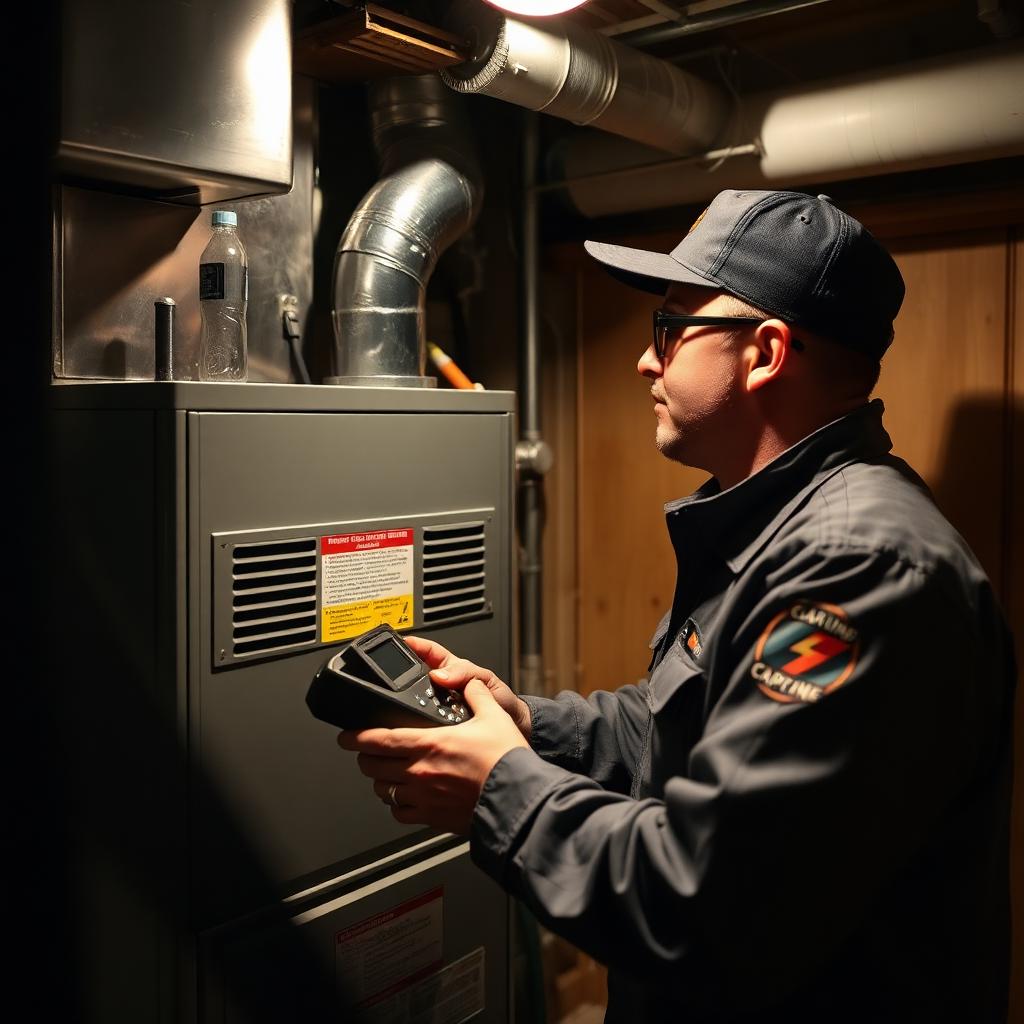
Residential furnace system prepared for diagnostic repair service in Snohomish Washington

Follow the Operating Sequence

Connect the reported symptom to the system findings

Changes in Heating Performance

Common Furnace Problems in Snohomish Homes

A furnace does not always fail without warning. The first sign may be a thermostat setting the home can no longer reach, a heating cycle that takes much longer than usual, or a noticeable difference between rooms that once felt consistent.

When requesting furnace repair in Snohomish, WA, describe the change in performance rather than guessing which part has failed. The timing, frequency and location of the problem can help narrow the diagnostic path for a gas or electric furnace.

Small changes in comfort can reveal where the heating cycle needs attention.

Observe Before Requesting Service

Does the furnace start on the first attempt?
Are all rooms receiving similar airflow?
Does the blower stop after the heating cycle?
Has the cycle length or sound recently changed?
Call (425) 380-0422

Heating Behaviors Worth Investigating

Each of these conditions can have more than one possible cause. Furnace type, system response and diagnostic testing are needed before a repair recommendation can be made.

01

The Home Never Reaches the Thermostat Setting

A furnace may continue running while indoor temperature remains below the selected setting. The system may be producing insufficient heat, moving too little air or losing capacity during the cycle.

Diagnostic Direction

Thermostat response, heat output, filter condition, blower performance and accessible airflow paths.

02

The Furnace Needs Several Attempts to Start

Clicking, brief startups or repeated attempts before heat begins can indicate that the system is not completing one stage of its startup sequence consistently.

Diagnostic Direction

Thermostat call, ignition sequence, flame confirmation, electrical controls and relevant safety switches.

03

Heating Cycles Run Much Longer Than Before

A noticeable increase in cycle length may mean the furnace is struggling to produce or distribute enough heat. The cause may involve the furnace, airflow system or thermostat response.

Diagnostic Direction

Heat production, filter restriction, blower operation, temperature rise and thermostat behavior.

04

One Part of the Home Feels Colder Than the Rest

Uneven comfort may become more noticeable when airflow weakens or certain rooms receive less heated air. Registers, return-air paths and accessible duct connections may also affect delivery.

Diagnostic Direction

Supply airflow, return-air access, blower performance, register position and accessible duct conditions.

05

The Blower Keeps Running After Heating Stops

Continued airflow may be caused by the thermostat fan setting, residual heat management or a control condition that prevents the blower from ending its cycle normally.

Diagnostic Direction

Thermostat mode, fan controls, limit response, relays, control board and blower operation.

06

The Furnace Shuts Down or Trips the Breaker

Repeated shutdowns, electrical odors or breaker trips may be connected with overheating, a motor problem, damaged wiring or another electrical condition that requires diagnosis.

Do Not Keep Resetting the System

Turn the furnace off when it is safe to do so. Smoke, visible sparks or worsening electrical odors require immediate attention.

Heating Services Based on System Condition

Furnace Services for Snohomish Heating Systems

The correct service depends on what the furnace is doing, how the system is configured and what the evaluation reveals. A heating complaint may require targeted repair, routine maintenance, a condition inspection or a broader replacement discussion.

For furnace repair in Snohomish, WA, the service path should follow the diagnosed condition rather than a one-size-fits-all checklist.

Primary Service

Furnace Performance Diagnosis and Repair Planning

When heat output, airflow or cycle behavior changes, the first goal is to identify which part of the operating sequence is no longer responding correctly. The evaluation may follow the thermostat call, heat-producing stage, blower response and relevant safety controls. Once the condition is better understood, the proposed repair can be reviewed in relation to the furnace model, component access, required parts and the overall condition of the equipment.

Evaluation may address

Heating-cycle evaluation
Symptom-to-component testing
Repair scope explanation
Equipment-condition considerations
02

Gas Furnace Sequence Service

Gas furnace concerns may develop before ignition, during flame establishment or while heat is being transferred through the airflow system. Testing should follow the stage where operation becomes inconsistent. Evaluation may involve ignition components, burners, flame sensing, draft operation and associated safety controls.

Gas Furnace Repair Details
03

Electric Heating Stage Service

An electric furnace may lose one heating stage, fail to energize its elements or continue moving air without sufficient heat. Controls and electrical components must be considered together. Evaluation may involve elements, sequencers, relays, breakers, wiring, limit controls and blower-related components.

Electric Furnace Repair Details
04

Operational Furnace Maintenance

Maintenance focuses on routine operating condition rather than an active breakdown. It may help identify developing airflow, startup or control concerns before they become more disruptive.

Furnace Maintenance Information
05

Furnace Condition Inspection

An inspection provides a broader look at accessible furnace condition and operating behavior. It can support maintenance planning, repair decisions or a discussion about aging equipment.

Furnace Inspection Information

Cleanliness and Airflow

Furnace Cleaning

Cleaning addresses accessible buildup and serviceable areas when furnace condition indicates that this work is appropriate.

Review Cleaning Service

Equipment Planning

Furnace Replacement

Replacement planning may be considered when equipment condition, repeat failures or compatible-part limitations make repair less practical.

Review Replacement Factors

New System Setup

Furnace Installation

Installation planning considers the selected equipment, property configuration, system access and the requirements of the proposed setup.

Review Installation Service

Unsure Which Furnace Service Fits The Problem?

Begin with the furnace symptoms rather than selecting a repair in advance. The system type, reported behavior and diagnostic findings can help determine whether repair, maintenance, cleaning, inspection or replacement planning is more appropriate.

View All Services
Two Heating Methods · Different Diagnostic Paths

Gas and Electric Furnace Service in Snohomish, WA

Gas and electric furnaces may produce similar household symptoms, but they do not create heat in the same way. Identifying the fuel type changes which startup stages, heating components and safety controls should be considered during furnace diagnosis. A blower that runs without enough heat, for example, may point toward an interrupted gas ignition sequence or an electric heating stage that is not energizing correctly.

Gas Furnace Evaluation

When the Furnace Starts but the Flame Does Not Continue

A gas furnace follows a sequence before heated air reaches the rooms. The draft system must respond, ignition must occur, the burners must light and the flame must be confirmed before the blower distributes heat. When one stage is interrupted, the furnace may click repeatedly, light briefly, shut down before the blower starts or move unheated air through the vents. The exact behavior helps identify where testing should begin.

Behaviors That Point to a Gas Sequence Issue

Furnace clicks repeatedly without lighting
Flame lights briefly, then shuts down
Unheated air moves through the vents
Furnace stops before the blower starts

Gas Heating Sequence to Review

Draft establishment and pressure-switch confirmation
Igniter operation and control signal
Burner startup and flame sensing
Shutdown behavior after ignition
Blower timing and temperature limits
Airflow through the furnace cabinet
Explore Gas Furnace Repair

Electric Furnace Evaluation

When the Blower Runs but Heat Output Keeps Falling Short

Electric furnaces commonly use multiple heating elements that are brought on in stages. This allows the system to increase heat output as demand changes instead of energizing every element at once. If one stage is unavailable, the furnace may still produce some heat while taking longer to warm the home. A complete loss of heat may involve power delivery, controls, limit activity or the elements themselves.

Behaviors That Point to a Staged-Heat Issue

Blower runs but heat output falls short
Home warms slowly on the coldest days
One or more heating stages do not energize
Complete loss of heat with the blower still active

Electric Heating Areas to Review

Breakers, wiring and power reaching the furnace
Sequencers and relays that stage heat
Control signals energizing each heating stage
Heating element condition per stage
Blower performance and filter restriction
Temperature-limit response during operation
Explore Electric Furnace Repair

Components Both Systems Share

Not every furnace concern begins with the heat source.

Thermostat communication, blower performance, filter and return-air condition, control-board response, safety-limit operation and supply-air delivery all influence how a furnace behaves. Both fuel types depend on these shared areas, so a heating complaint is not always tied to the burners or the elements. Confirming the fuel type narrows the path, but the complete system still needs to be considered in relation to the reported symptoms.

When natural gas is suspected or a carbon monoxide alarm activates, leave the property and contact 911 or the gas utility from a safe location. Testing requirements, repair options, parts and completion timing depend on the furnace type, model, observed condition, equipment access and compatible-component availability.
From Comfort Complaint to System Finding

How a Furnace Problem Is Traced in a Snohomish Home

Effective furnace diagnosis connects what the homeowner experiences inside the home with what the equipment does after the thermostat asks for heat. The process follows the response in order so an interrupted stage, weak heating output or airflow problem can be investigated without relying on assumptions.

  1. Establish the Pattern

    Describe How Comfort Has Changed

    The starting point is not simply that the furnace is not working. Useful details include whether the home warms slowly, certain rooms remain cold, startup takes several attempts or the blower continues after heat production stops.

    When the change began, how often it occurs and whether it affects the whole home or only specific areas.
  2. Recreate the Heat Request

    Compare the Thermostat Call With the Furnace Response

    Diagnosis follows what happens after the thermostat requests heat. The furnace may respond normally, start late, stop before producing heat or complete the heating stage without delivering the expected comfort.

    Thermostat communication, startup timing, furnace sounds, burner or element response and blower activation.
  3. Trace Heat and Airflow

    Follow Heat Creation Through Air Delivery

    For a gas furnace, the evaluation may follow draft, ignition and flame confirmation. For an electric furnace, it may follow power delivery and staged heating elements. Both systems still depend on blower performance and unrestricted airflow.

    Heat production, supply-air temperature, return airflow, blower behavior and temperature-limit activity.
  4. Define the Next Step

    Separate the Immediate Repair From Future Planning

    The findings should clarify what is preventing normal operation, what service is proposed now and whether equipment condition creates additional maintenance or replacement considerations.

    Review the proposed scope, applicable pricing, parts needs, access requirements and known service limitations.

Measurements and Observations

The system response is compared across the complete heating cycle.

The exact checks depend on the furnace type and the behavior reported at the Snohomish property.

Command vs. response after the thermostat calls for heat
Startup timing, delays or repeated attempts
Heat output from the gas or electric heating stage
Blower operation, filter condition and air delivery
Thermostat mode, settings and communication
Electrical readings and control response
Safety-limit or shutdown activity during operation
Accessible venting, cabinet and airflow conditions

When requesting a furnace evaluation, include the complete Snohomish address, equipment location, fuel type and a description of what happens from the moment the thermostat requests heat.

Call (425) 380-0422

Diagnostic scope, repair recommendations, pricing, parts requirements and completion timing depend on the furnace type, observed condition, equipment access, authorization and compatible-part availability.

A Clearer Way to Approach Furnace Problems

Why Snohomish Homeowners Choose Furnace Everett Pros

A useful furnace service experience should do more than identify a part. It should connect the household comfort problem with the equipment findings and explain what those findings mean for the next decision.

Furnace Everett Pros accepts Snohomish service requests with a diagnostic-first approach for gas and electric forced-air systems.

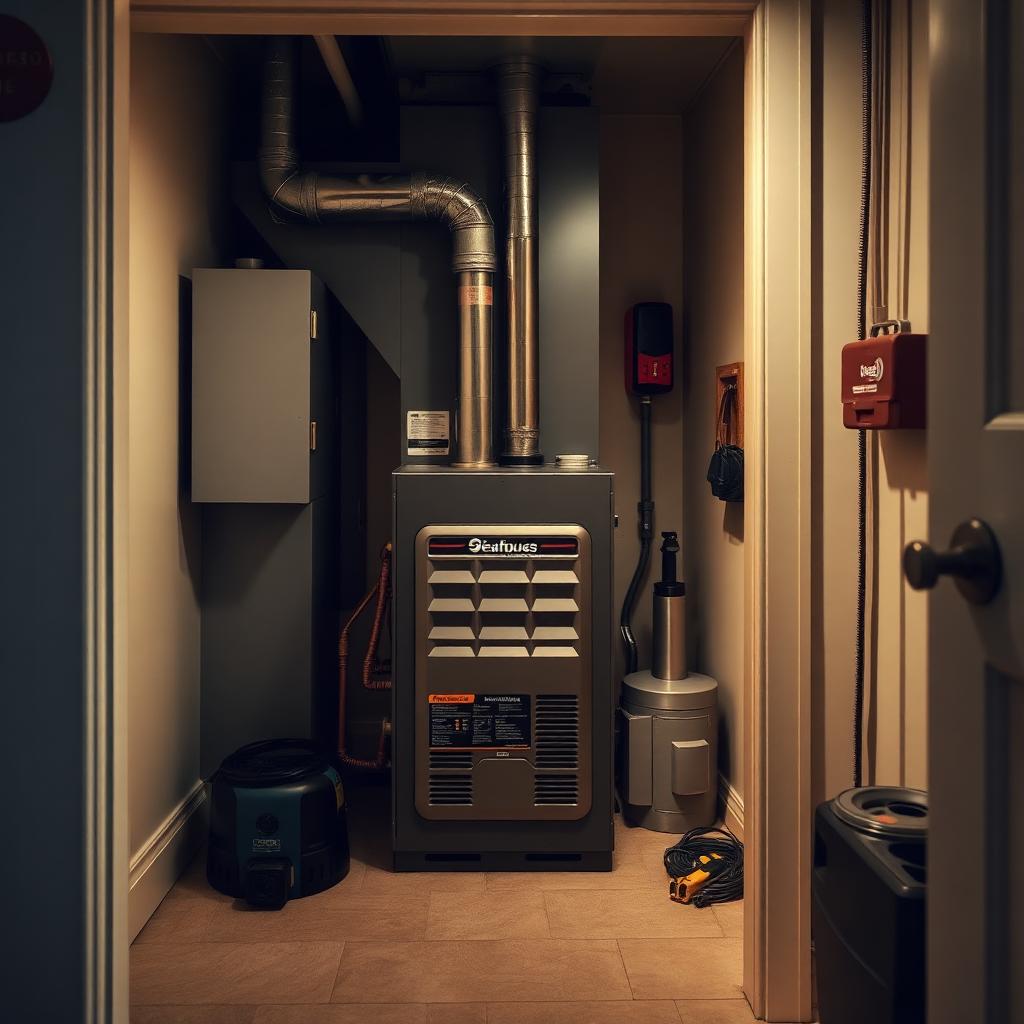
Furnace system being evaluated during a residential service visit in Snohomish Washington
Furnace Service Requests · Snohomish, WA

A Better Starting Question

Where does the furnace stop following its normal sequence?

Following the system response can provide more useful direction than replacing a component based only on a familiar symptom.

01

Begin With the Home

Comfort Changes Shape the Diagnostic Starting Point

A home that warms slowly presents a different pattern from a furnace that never starts or a blower that runs continuously. Room-to-room differences, cycle length and startup behavior help define which part of the system deserves attention first.

02

Separate Heat From Airflow

Heat Production and Heat Delivery Are Evaluated Separately

A furnace can create heat without distributing it effectively, or the blower can move air while the heating stage remains inactive. Looking at these functions separately helps avoid treating every low-temperature complaint as the same problem.

03

Match the Furnace Type

Gas and Electric Systems Follow Different Repair Paths

Gas furnaces rely on draft, ignition, flame confirmation and combustion controls. Electric furnaces rely on power delivery, staged elements, sequencers and relays. The fuel type determines which sequence and components are relevant.

04

Translate the Findings

Technical Conditions Are Explained in Practical Terms

The homeowner should understand which stage is not responding, how that condition affects heating performance and what the proposed service is intended to correct before additional work moves forward.

05

Focus on the Current Need

Immediate Repair Is Kept Separate From Long-Term Planning

The service discussion should distinguish between the work needed to address the present malfunction and any broader maintenance or replacement considerations created by equipment condition, repeat failures or parts availability.

06

Prepare for the Property

Snohomish Requests Are Reviewed With Property-Level Details

The complete address, equipment location, fuel type, access conditions and reported behavior help prepare for a furnace service request more accurately than the city name or ZIP code alone.

Start With

The household comfort problem

Follow Through

The furnace operating sequence

Decide From

The documented system findings

Service availability, diagnostic scope, repair recommendations, pricing, parts requirements and completion timing depend on the property address, furnace condition, equipment model, access, authorization and compatible-part availability.

Snohomish & nearby

Furnace service in
Snohomish, WA

Dispatched from our Everett hub to Snohomish and the surrounding Snohomish County service area — same technicians, same pricing, verified coverage.

Same-Day Emergency DispatchZero Distance SurchargesLicensed Local HVAC Techs

Don't see your neighborhood? Call us to verify dispatch to your exact address.

View Full Area Guide
Active Dispatch Hub: Snohomish

Interactive Service Map

Everett, WA & Snohomish Metro

Open Map

Furnace Diagnosis, Repair and Service Planning

The answers below provide general guidance for homeowners researching furnace repair in Snohomish, WA. The cause of an individual heating problem can only be determined through an equipment-specific evaluation.

01

Why does my furnace run without bringing the house up to temperature?

The furnace may be producing less heat than the home requires, moving too little air or losing part of its normal heating capacity. Possible areas include a restricted filter, weak blower performance, an interrupted gas sequence, an inactive electric heating stage or thermostat behavior. The cycle length and supply-air response help guide diagnosis.

02

What does it mean when the furnace tries to start several times?

Repeated startup attempts suggest that one stage is not being completed consistently. In a gas furnace, the interruption may occur during draft confirmation, ignition or flame sensing. In an electric furnace, the issue may involve power delivery or staged controls. The sounds and sequence before shutdown are useful diagnostic clues.

03

Why are some rooms warm while another part of the home stays cold?

Uneven heating may be influenced by blower performance, restricted return air, register position, accessible duct conditions or differences in how heated air reaches each space. It can also become more noticeable when overall furnace output has declined. The equipment and air-delivery system may both need consideration.

04

Why does the furnace blower continue running after the heat turns off?

The blower may be responding to a thermostat fan setting, residual heat inside the furnace or a control condition that keeps the fan circuit active. If airflow continues for an unusually long period or never stops, thermostat settings, fan controls, relays, limit response and the control board may need evaluation.

05

Should I turn the furnace off when I hear a new mechanical sound?

A new rattle, scrape, squeal or repeated impact sound should not be ignored. When it is safe, note when the sound occurs and shut the system down if the noise becomes severe or is accompanied by smoke, an electrical odor or visible damage. Avoid removing panels to locate the sound yourself.

06

Can the repair be completed during the diagnostic visit?

That depends on the diagnosed condition. A repair may require authorization, additional labor or a compatible component specific to the furnace model. Diagnosis and repair should be treated as separate stages unless the required work can be completed after the findings and proposed scope have been reviewed.

07

Does an older furnace automatically need to be replaced?

No. Equipment age is one consideration, but the diagnosed failure, general condition, repair history, parts availability and proposed repair scope are also relevant. Replacement planning may become more appropriate when major failures or recurring problems make continued repair less practical.

Review Furnace Replacement Considerations
08

What information affects the price of furnace repair?

Pricing depends on the confirmed problem, furnace type, equipment model, component accessibility, labor involved and required parts. Because similar symptoms may lead to different repairs, reliable scope and pricing generally follow the diagnostic findings rather than the initial symptom alone.

09

When is maintenance appropriate instead of a repair visit?

Maintenance is intended for an operating furnace that needs routine review and service. A system that cannot reach the thermostat setting, repeatedly shuts down, trips a breaker or fails to produce heat generally needs diagnosis. Maintenance should not be used as a substitute for investigating an active malfunction.

Learn About Furnace Maintenance
10

How is furnace service coverage confirmed for a Snohomish property?

Coverage is reviewed using the complete street address rather than the city name alone. Include the property address, furnace location, access details, fuel type and current symptoms. Appointment availability and the requested service scope must also be considered before service is confirmed.

11

What should I do if I smell gas or a carbon monoxide alarm sounds?

Leave the property immediately and move to a safe location. From outside, call 911 or the gas utility. Do not use electrical switches inside, restart the furnace, search for the source or remain in the building to troubleshoot the system.

Ready to Explain What the Furnace Is Doing?

Provide the Snohomish property address, furnace fuel type, equipment location and the sequence you notice after the thermostat calls for heat.

Call (425) 380-0422

These FAQs provide general furnace information and do not replace an equipment-specific diagnosis. Service scope, scheduling, pricing, repair options and completion timing depend on the furnace condition, property access and compatible-part availability.

Furnace Repair · Snohomish, Washington

Need Help With a Furnace Problem in Snohomish?

Request furnace repair in Snohomish, WA when your heating system stops producing heat, blows cool air, cycles repeatedly, delivers weak airflow or begins making an unfamiliar sound. Include the furnace type, current symptoms and complete property address so the service request can be reviewed accurately.

Furnace Types

Gas and electric furnace systems

Service Starting Point

Symptoms, equipment type and diagnostic findings

Snohomish Coverage

Address verification for 98290, 98296 and 98290

Service availability, diagnostic scope, repair options, pricing, required parts and completion timing depend on the Snohomish property address, furnace condition, equipment access and compatible-part availability.